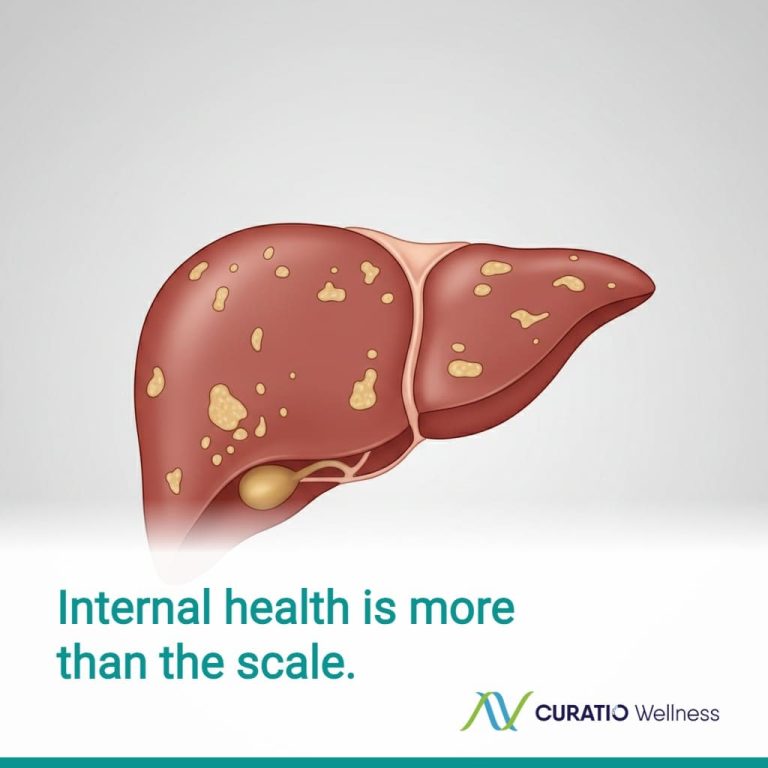
Most people count calories. But your body’s internal clock may matter more than the food on your plate. When circadian rhythms are disrupted through irregular sleep patterns, night shift schedules, or consistently eating late at night, the liver’s metabolic gene expression begins to shift. Research shows this reprogramming can happen in as few as three days. The result? Increased visceral fat storage and rising insulin resistance, even when total calorie intake stays the same. This is a critical insight for anyone navigating pre diabetes, obesity, or metabolic concerns. It means weight gain and blood sugar imbalances are not always about eating too much. Sometimes, the root cause lies in when you eat, when you sleep, and how well your body’s internal timing systems are functioning. Understanding this connection is especially important for those over 40, when metabolic flexibility naturally begins to decline. A disrupted circadian rhythm compounds these age related changes, accelerating the path toward insulin resistance and stubborn belly fat that conventional dieting alone cannot resolve. The 3 pillars of circadian metabolic health worth paying attention to: 🔹 Sleep consistency: Going to bed and waking up at roughly the same time each day helps anchor your liver’s metabolic cycles and supports healthy gene expression patterns. 🔹 Meal timing: Eating your last meal at least 3 hours before sleep allows the liver to transition into its overnight repair and detoxification mode rather than staying in active digestion. 🔹 Light exposure: Morning sunlight and reduced blue light exposure at night reinforce the signals your body uses to keep its internal clock aligned with the external world. What makes this finding so powerful is that it points to a deeper, often overlooked root cause. Epigenetic and gene level changes driven by lifestyle patterns can silently shift your metabolic trajectory long before blood tests show abnormal numbers. Precision wellness approaches that explore these root causes through tools like epigenetic studies and gene mapping can help identify how your unique biology responds to circadian disruption, offering a far more targeted path to metabolic balance than generic advice ever could. If you have been struggling with visceral fat, rising blood sugar, or metabolic changes that do not seem to match your efforts, exploring how your circadian rhythm and metabolic gene expression interact could offer meaningful clarity. The team at Curatio Wellness is here to help guide that deeper conversation whenever you are ready. #CircadianHealth #MetabolicWellness #InsulinResistance #VisceralFat #PreDiabetes #RootCauseHealth #EpigeneticWellness #PrecisionCare #SleepAndMetabolism #CuratioWellness #HolisticHealth #GeneMapping