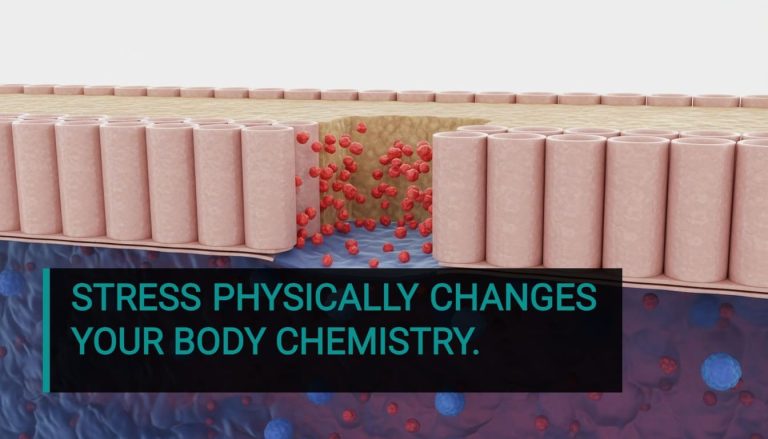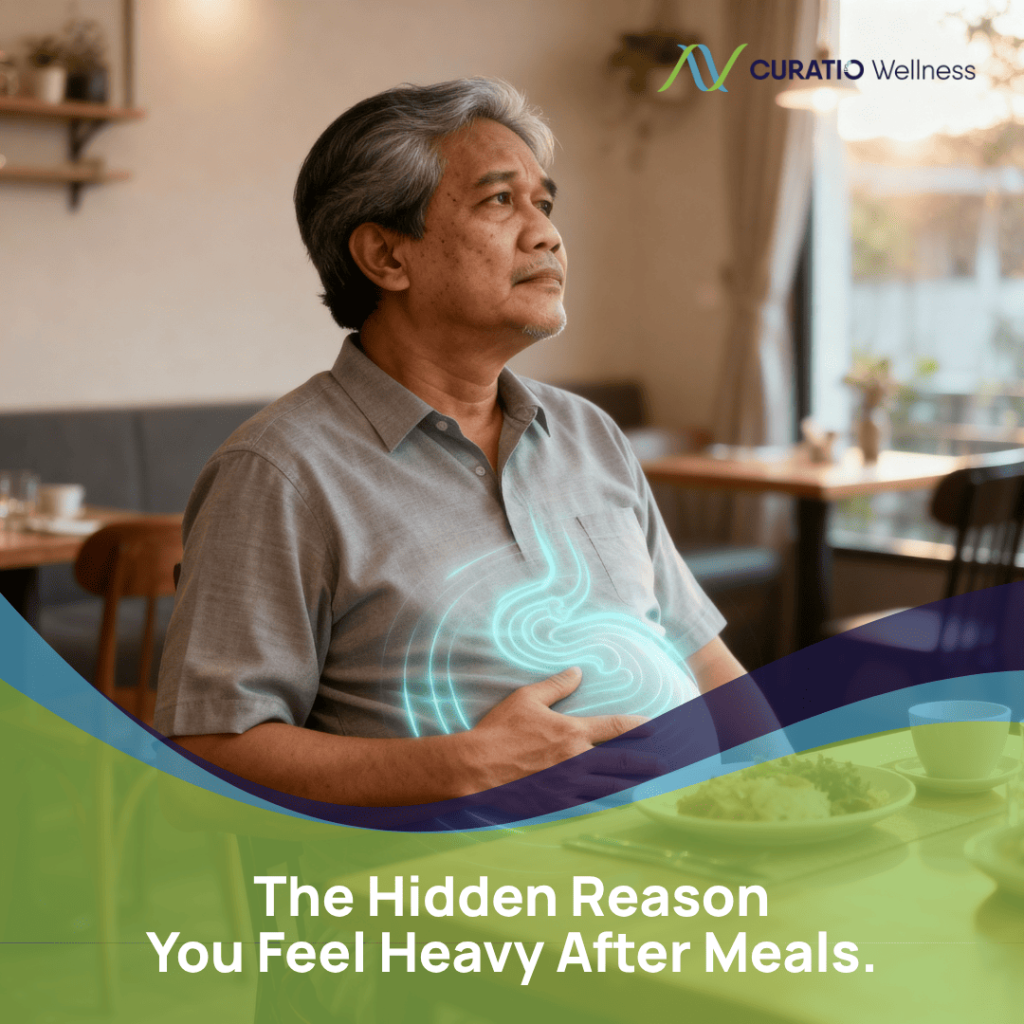
That post-meal sluggishness isn’t always about overeating—it’s often how your body manages insulin and glucose. After 40, metabolism naturally slows, and your cells become a little less responsive to insulin’s signal to absorb sugar. The result? Glucose lingers in the bloodstream, leaving you feeling tired, foggy, or even sleepy.
Here’s how to support smoother digestion and energy:
Go for a light walk after lunch or dinner.
Balance your plate with protein and fibre.
Stay hydrated—water helps your body process nutrients.
Eat at regular times to stabilise hormones.
Feeling lighter isn’t about restriction—it’s about rhythm and awareness. A few consistent habits can make every meal feel better.
For educational awareness only. Please consult a licensed clinician for personalised advice.
#MetabolicHealth #BloodSugarAwareness #HealthyEating #CuratioWellness #MalaysiaWellness #MidlifeCare #DigestiveHealth #HealthyHabits
/* widget: Post List */ #uc_post_list_elementor_0c306bc{ display:grid; } #uc_post_list_elementor_0c306bc .uc_post_list_image div{ background-size:cover; background-position:center; } .uc_post_list .uc_post_list_box{ position: relative; overflow: hidden; display: flex; } #uc_post_list_elementor_0c306bc .uc_post_list_image{ flex-grow:0; flex-shrink:0; overflow: hidden; } #uc_post_list_elementor_0c306bc .uc_post_list_image img{ width:100%; height:100%; display:block; transition:0.3s; position: relative; z-index: 1; } .uc_post_list_title a{ position: relative; z-index: 1; color: #333333; display: block; } .uc_post_list_date{ font-size: 12px; } #uc_post_list_elementor_0c306bc .uc_post_list_content{ display:flex; flex-direction:column; flex:1; } #uc_post_list_elementor_0c306bc .uc_more_btn{ text-align:center; text-decoration:none; transition:0.3s; position: relative; z-index: 1; } #uc_post_list_elementor_0c306bc .button-on-side{ display:flex; align-items:center; } #uc_post_list_elementor_0c306bc .ue-grid-item-category{ display: flex; align-items: center; } .ue-grid-item-category a{ display:inline-block; font-size:10px; text-transform:uppercase; white-space: nowrap; } #uc_post_list_elementor_0c306bc .ue-meta-data{ display:flex; flex-wrap: wrap; line-height:1em; } #uc_post_list_elementor_0c306bc .ue-grid-item-meta-data{ display:inline-flex; align-items:center; } .ue-grid-item-meta-data{ font-size:12px; } #uc_post_list_elementor_0c306bc .ue-grid-item-meta-data-icon{ line-height:1em; } #uc_post_list_elementor_0c306bc .ue-grid-item-meta-data-icon svg{ width:1em; height:1em; } #uc_post_list_elementor_0c306bc .ue-debug-meta{ padding:10px; border:1px solid red; position:relative; line-height:1.5em; font-size:11px; width:100%; } .uc-remote-parent .uc_post_list_box{ cursor:pointer; } #uc_post_list_elementor_0c306bc .ue-post-link-overlay{ display:block; position:absolute; top:0; bottom:0; right:0; left:0; }

Diabetes & Metabolic Health
Reversing Pre-Diabetes & Lifestyle Strategies
Sleep, Stress & Mental Wellness
Stress, Anxiety & Burnout Management
Menopause & Metabolism: What Changes, What Helps

Blood Sugar Control & Insulin Resistance
Diabetes & Metabolic Health
Reversing Pre-Diabetes & Lifestyle Strategies
Diabetes Remission Programme: A Smarter Alternative to Lifelong Medication

Mind-Body Wellness
Weight, Belly Fat & Metabolic Syndrome
When Healing Means Changing How You Listen to Your Body

Genetics & Personalised Health
Health Science & Research
Reversing Pre-Diabetes & Lifestyle Strategies
Beyond Routine Blood Tests: What New Science Reveals About You

Diabetes & Metabolic Health
Nutrition & Diet
Product & Service Spotlights
Diabetes Remission in Malaysia: Can Type 2 Diabetes Be Reversed Naturally?

Diabetes & Metabolic Health
Nutrition & Diet
One Kitchen, Many Needs: How Families Can Eat Healthier Together
No posts found