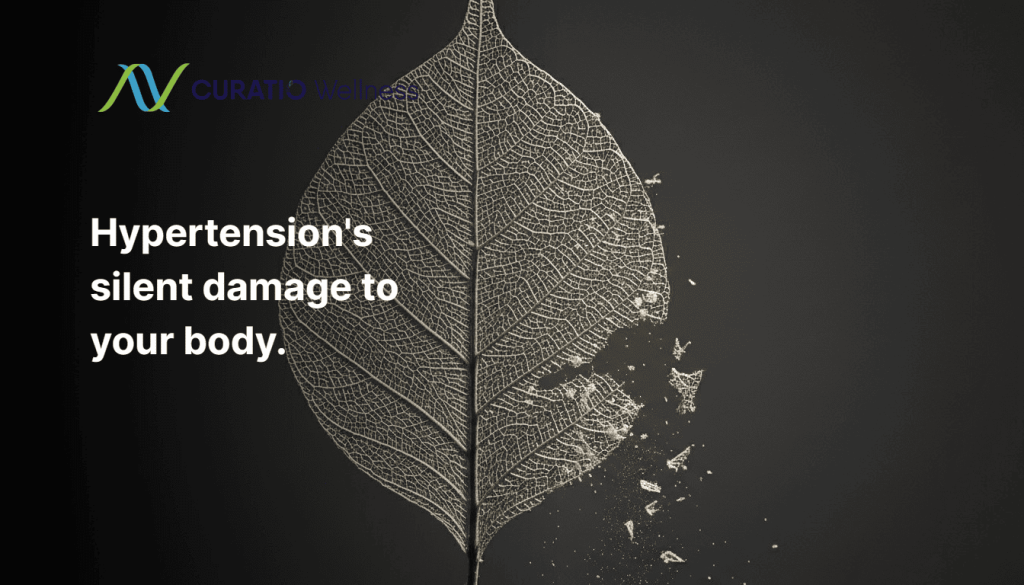
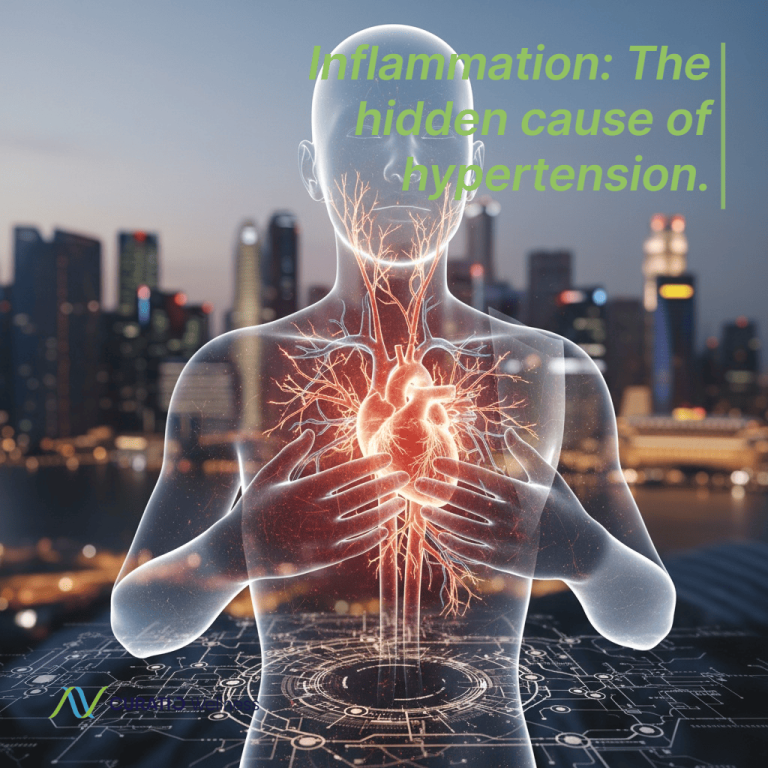
High blood pressure silently dismantles your body’s smallest highways. We often associate hypertension with major, catastrophic events like heart attacks or strokes. While these are critical risks, they represent the final, dramatic chapters of a story that begins much earlier and unfolds far more quietly. The true, insidious damage of chronic hypertension happens at a microscopic level, through a process that systematically weakens the very foundation of your health. This process, known as microvascular rarefaction, is the physical loss of the tiniest blood vessels that sustain every cell in your body, leading to consequences that can profoundly impact your cognitive function and organ health as you age. To grasp the gravity of this issue, we must first appreciate the vast and intricate network within us. Imagine your circulatory system as a national road network. The arteries and veins are the major highways, efficiently moving large volumes of traffic between cities. But the real work of delivery and pickup happens on the small local streets and alleyways, the capillaries. This microvasculature is a sprawling network of tiny vessels, so narrow that red blood cells must pass through in single file. It is here that the magic happens: oxygen and vital nutrients are delivered directly to your tissues, and metabolic waste products are carried away. Every organ, from your brain to your kidneys to your skin, depends on this delicate, life-sustaining grid to function and thrive. So, what is microvascular rarefaction? The term “rarefaction” simply means to become less dense. In this context, it describes the progressive and physical disappearance of these essential capillaries. When blood pressure remains consistently high, it exerts relentless force on the fragile walls of these microvessels. This chronic mechanical stress causes inflammation and damage to the endothelial cells lining the capillaries. Over time, the body’s repair mechanisms become overwhelmed. The vessels can no longer function properly, and eventually, they wither and vanish altogether. Think of a delicate irrigation system in a garden. If the water pressure is perpetually too high, the smallest pipes will inevitably burst, clog, and degrade. The result is that patches of the garden no longer receive water, and the plants in those areas begin to wilt. This is precisely what happens inside your body; tissues that were once nourished are slowly starved of oxygen and nutrients. This silent starvation has profound and far reaching effects, particularly on our most vulnerable and energy demanding organs. Let’s consider the brain. It accounts for only 2% of our body weight but consumes about 20% of our oxygen. Its health is non negotiable and utterly dependent on a dense capillary network. As microvascular rarefaction sets in, regions of the brain begin to experience a subtle but chronic lack of oxygen, a state known as hypoxia. This doesn’t cause a sudden event like a stroke, but rather a slow, grinding decline in cognitive ability. Neurons cannot fire efficiently, communication between brain cells slows, and the ability to form new memories or recall old ones becomes impaired. This process is a significant driver of age related cognitive decline and contributes to an increased risk for vascular dementia. The sharpness of mind we associate with vibrant aging is directly linked to the health of this microscopic circulatory web. Similarly, our kidneys are deeply impacted. These vital organs are essentially sophisticated filtering systems composed of millions of tiny capillary clusters called glomeruli. Their job is to cleanse the blood of waste products. When microvascular rarefaction takes hold in the kidneys, these filtering units begin to disappear. This loss of functional capillaries means the remaining ones must work harder to pick up the slack, placing them under even greater strain. This vicious cycle leads to progressive kidney stress, a gradual reduction in filtering capacity, and can ultimately culminate in chronic kidney disease. The health of our kidneys is a direct reflection of the health of their microvasculature, which is directly threatened by unmanaged hypertension. Addressing hypertension, therefore, requires a shift in perspective. It is not merely about managing a number on a cuff. It is about protecting this fundamental, body wide infrastructure. A holistic and personalized approach seeks to understand the root causes behind elevated blood pressure. Factors such as genetics, metabolic health, chronic stress, and lifestyle choices all play a significant role. By looking at the complete picture, including advanced diagnostics like epigenetic and gene mapping studies, it becomes possible to develop a precision care strategy that goes beyond medication to address the underlying drivers of the condition. This empowers individuals to not just control their blood pressure, but to actively preserve the intricate network that sustains their long term vitality and health. The journey to vibrant aging is paved with proactive choices and a deep understanding of how our bodies work. The silent erosion caused by hypertension is a serious concern, but it is not an inevitable fate. Recognizing the connection between blood pressure and the health of your smallest vessels is a powerful first step. If you wish to explore a comprehensive and personalized approach to your cardiovascular wellness, the team at Curatio Wellness is available to provide guidance and support on your path to lasting health. #HypertensionAwareness #MicrovascularHealth #CognitiveDecline #KidneyHealth #BloodPressure #HealthyAging #WellnessJourney #RootCauseMedicine #PrecisionCare #CuratioWellness #VibrantAging #CardiovascularHealth