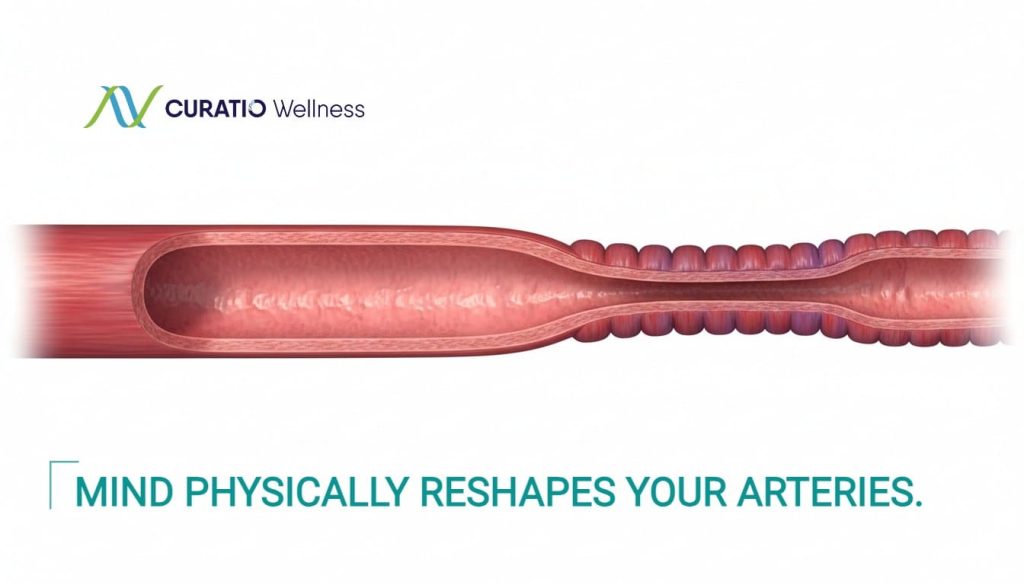
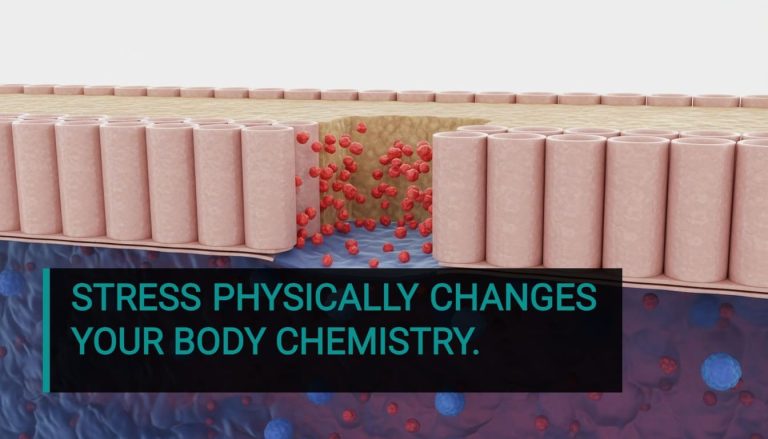
Your mind can physically reshape your arteries. This isn’t a metaphor; it’s a profound biological reality that is reshaping our understanding of cardiovascular health. In our fast-paced world, especially in bustling urban centres, stress is often seen as an unavoidable part of life, an emotional and mental burden we must carry. We feel it during difficult projects, navigate it in traffic, and manage it within our families. But what if this constant pressure does more than just tire our minds? Groundbreaking research reveals that chronic psychological stress acts as a silent architect, making lasting structural changes to our very genes and, in turn, our blood vessels, contributing directly to hypertension. To grasp this connection, we must first explore the fascinating world of epigenetics. Imagine your DNA as a vast and comprehensive cookbook containing all the recipes for building and running your body. Genetics is the cookbook itself, which you inherit and cannot change. Epigenetics, however, involves the notes and bookmarks placed upon these recipes. These are chemical tags that tell your cells which recipes to read, how often to read them, and which ones to ignore. Unlike the fixed DNA sequence, these epigenetic marks are dynamic. They can be added or removed based on your lifestyle, environment, diet, and, crucially, your experiences, including long-term stress. They don’t change the recipe, but they change the final dish that is served. This is where the link to hypertension becomes incredibly clear. When you experience stress, your body’s ‘fight or flight’ response is activated, releasing hormones like adrenaline and cortisol. This is a normal, protective mechanism designed for short-term threats. In moments of acute stress, these hormones cause your heart to beat faster and your blood vessels to tighten, raising blood pressure to supply your muscles with more oxygen. Once the threat passes, the system is designed to return to a state of calm. However, with chronic stress, the body remains in a constant state of high alert. The alarm never truly shuts off. This prolonged hormonal cascade begins to write those ‘sticky notes’ on your DNA. Recent scientific findings pinpoint exactly how this happens. Chronic stress leads to specific epigenetic modifications, such as DNA methylation, on the genes that control vascular tone, which is the natural tension within the walls of your blood vessels. These genes are responsible for telling your blood vessels when to constrict and when to relax. The epigenetic changes caused by stress effectively act like a lock, jamming the switch for these genes in the ‘constrict’ position. As a result, the blood vessels lose some of their flexibility and remain in a more persistently narrowed state. This sustained constriction forces your heart to work harder to pump blood throughout the body, which is the clinical definition of hypertension or high blood pressure. This is not just a temporary spike; it is a semi-permanent recalibration of your cardiovascular system, driven by your psychological state. Understanding this mechanism is vital because it highlights a root cause of hypertension that is often overlooked in conventional approaches. It explains how individuals who maintain a healthy diet and exercise regimen can still develop high blood pressure. Their physical wellness is being undermined by an unaddressed psychological load that is leaving a physical, genetic imprint. This moves the conversation about heart health beyond cholesterol and sodium intake and into the realm of mental and emotional well-being as a core pillar of physiological function. It reinforces the inseparable connection between the mind and body, showing that our thoughts, feelings, and experiences have tangible power over our physical health down to the molecular level. This knowledge, however, is not a cause for alarm but for empowerment. If our experiences can negatively influence our gene expression, it stands to reason that positive changes can influence it for the better. Adopting strategies to manage chronic stress can be viewed as a form of proactive ‘epigenetic intervention’. This goes beyond simple relaxation. Practices such as mindfulness and meditation have been shown to reduce the physiological markers of stress. Regular, moderate physical activity helps regulate stress hormones. Prioritising consistent sleep is crucial for allowing the body’s systems to repair and reset. Cultivating strong social connections and seeking support provides a buffer against the isolating effects of chronic stress. These are not just ‘soft’ lifestyle tips; they are powerful tools that can help persuade your body to remove those restrictive epigenetic marks and restore healthy vascular function. Ultimately, this new frontier of research confirms what holistic wellness philosophies have long understood: you cannot treat one part of the body in isolation. Your cardiovascular health is intrinsically linked to your mental state, your environment, and your daily experiences. A truly comprehensive approach to managing hypertension and fostering vibrant aging must address the individual as a whole, exploring the root causes of imbalance rather than only managing the symptoms. Understanding the intricate connections between your mind, your genes, and your heart is the first step toward proactive wellness. For guidance on navigating your personal health journey and exploring your cardiovascular profile, the team at Curatio Wellness is available to provide support. #Epigenetics #StressManagement #HypertensionAwareness #CardiovascularHealth #HolisticWellness #RootCauseMedicine #PrecisionHealth #CuratioWellness #AgeVibrantly #MindBodyConnection