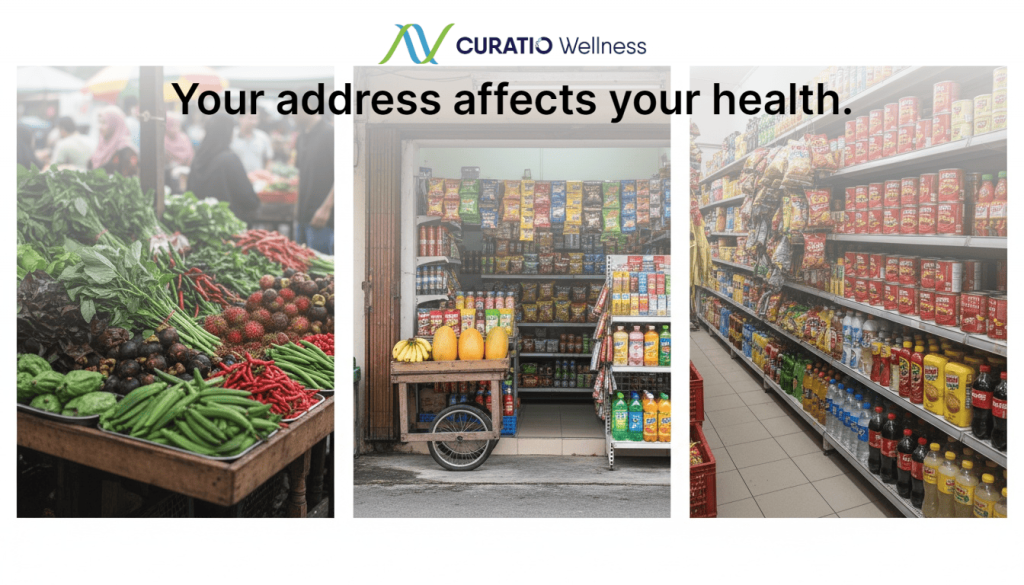
Managing diabetes often feels like a personal journey focused on individual choices, medication, and willpower. We track blood sugar, count carbohydrates, and schedule physical activity. Yet, a powerful, often overlooked factor plays a critical role in this equation: our environment. The very streets we live on, the shops within walking distance, and the food options available to us can profoundly impact our ability to manage blood sugar levels effectively. This concept, known as the food environment, suggests that our health outcomes are not solely a product of personal resolve but are also shaped by the accessibility, availability, and affordability of nutritious food.
Understanding this connection is fundamental to a holistic approach to wellness. When a neighbourhood is saturated with fast food outlets and convenience stores stocking processed snacks and sugary drinks, while fresh produce and whole foods are scarce or prohibitively expensive, it creates a significant barrier to healthy eating. This scenario, sometimes called a ‘food desert’ or ‘food swamp’, forces reliance on foods that are typically high in refined carbohydrates, unhealthy fats, and sodium. For an individual managing diabetes, this constant exposure to suboptimal food choices makes blood sugar control an uphill battle, potentially leading to increased insulin resistance and greater difficulty in maintaining stable glucose levels. It is not a failure of discipline; it is a challenge presented by the environment. Recognizing this allows us to shift the focus from self-blame to strategic planning.
Decoding Your Personal Food Environment: A 3-Zone Framework
To empower yourself, it is helpful to assess your own food environment. By identifying the characteristics of your surroundings, you can develop targeted strategies. Consider which of these three zones best describes your daily life:
The Green Zone (Nourishing Environment): This is an ideal setting where healthy choices are easy. You have convenient access to large supermarkets with a wide variety of fresh fruits and vegetables, lean proteins, and whole grains. Perhaps there is a local ‘pasar tani’ (farmer’s market) nearby. In a Green Zone, nutritious food is not only available but also affordable, making it the path of least resistance for meal preparation and diabetes management.
The Yellow Zone (Mixed Environment): This is a common scenario for many. Healthy options exist, but so do abundant unhealthy ones. You might have a supermarket a short drive away, but your immediate vicinity is dominated by convenience stores, bakeries, and fast food restaurants. Making healthy choices in a Yellow Zone requires conscious effort, planning, and the ability to navigate past tempting, less nutritious alternatives. It is a constant negotiation between convenience and health.
The Red Zone (Challenging Environment): In this zone, accessing healthy food is a significant challenge. Fresh produce is rare, of poor quality, or very expensive. The most accessible and affordable options are typically processed foods from small sundry shops (‘kedai runcit’) or fast food stalls. Living in a Red Zone means that managing diabetes through diet requires immense foresight, extensive planning, and creative solutions to overcome the lack of readily available nutritious ingredients.
Strategies for Thriving in Any Food Environment
Regardless of which zone you identify with, you can implement proactive strategies to take control of your nutritional health. The goal is not to change your entire neighbourhood overnight but to build a resilient personal health system within it.
First, prioritize meticulous planning. Dedicate time each week to plan your meals. This is especially crucial if you live in a Yellow or Red Zone. A detailed meal plan allows you to create a precise shopping list, ensuring that when you do visit a larger market, you purchase everything you need for the week. This minimizes impulse buys and reduces the likelihood of resorting to unhealthy convenience foods on busy weekdays.
Second, become a savvy shopper and learn to stock your pantry strategically. Focus on versatile, long-lasting healthy staples. Canned beans and lentils, canned fish in water, brown rice, rolled oats, and frozen vegetables are excellent resources. They are cost effective and ensure you always have the building blocks for a healthy meal on hand, even when fresh supplies run low. Practice reading nutrition labels diligently to identify and avoid products with hidden sugars, sodium, and unhealthy fats.
Third, explore your community for hidden gems. There may be smaller, independent grocers, local food delivery services, or community gardens that you are not aware of. In the Malaysian context, even a small morning market (‘pasar pagi’) can offer fresher options than a convenience store. If space allows, consider home gardening. Even a few pots on a balcony can provide fresh herbs, which can elevate simple meals and add nutrients.
Finally, learn to make mindful choices when eating out. In many areas, dining at a local eatery or ‘mamak’ stall is a part of daily life. You can still make diabetes friendly choices. Opt for grilled or steamed dishes like tandoori chicken instead of fried options. Ask for half portions of rice (‘nasi separuh’), load up on vegetable side dishes, and always choose plain water (‘air kosong’) over sweetened beverages. Small, consistent adjustments can have a significant cumulative benefit on your blood sugar control.
Ultimately, acknowledging the impact of your food environment is an empowering first step. It validates the challenges you face and moves the focus towards creating practical, sustainable solutions. It is a key part of understanding the root causes that influence your health, allowing for a more precise and personalized approach to wellness.
Navigating your food environment is a crucial step in managing diabetes. If you are seeking guidance on creating a personalised nutrition plan that works with your lifestyle and surroundings, the team at Curatio Wellness is here to support your journey towards better health.
#DiabetesManagement #HealthyEating #FoodAccess #WellnessJourney #HolisticHealth #CuratioWellness #RootCause #PrecisionCare #MalaysiaHealth #BloodSugarControl