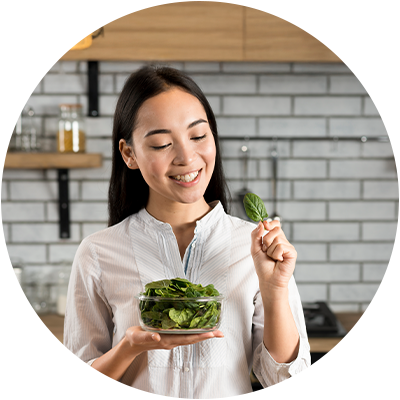
Kale, broccoli, and other cruciferous vegetables are often labelled as “superfoods.” But nutrition is not universal, and the same food can affect people differently.
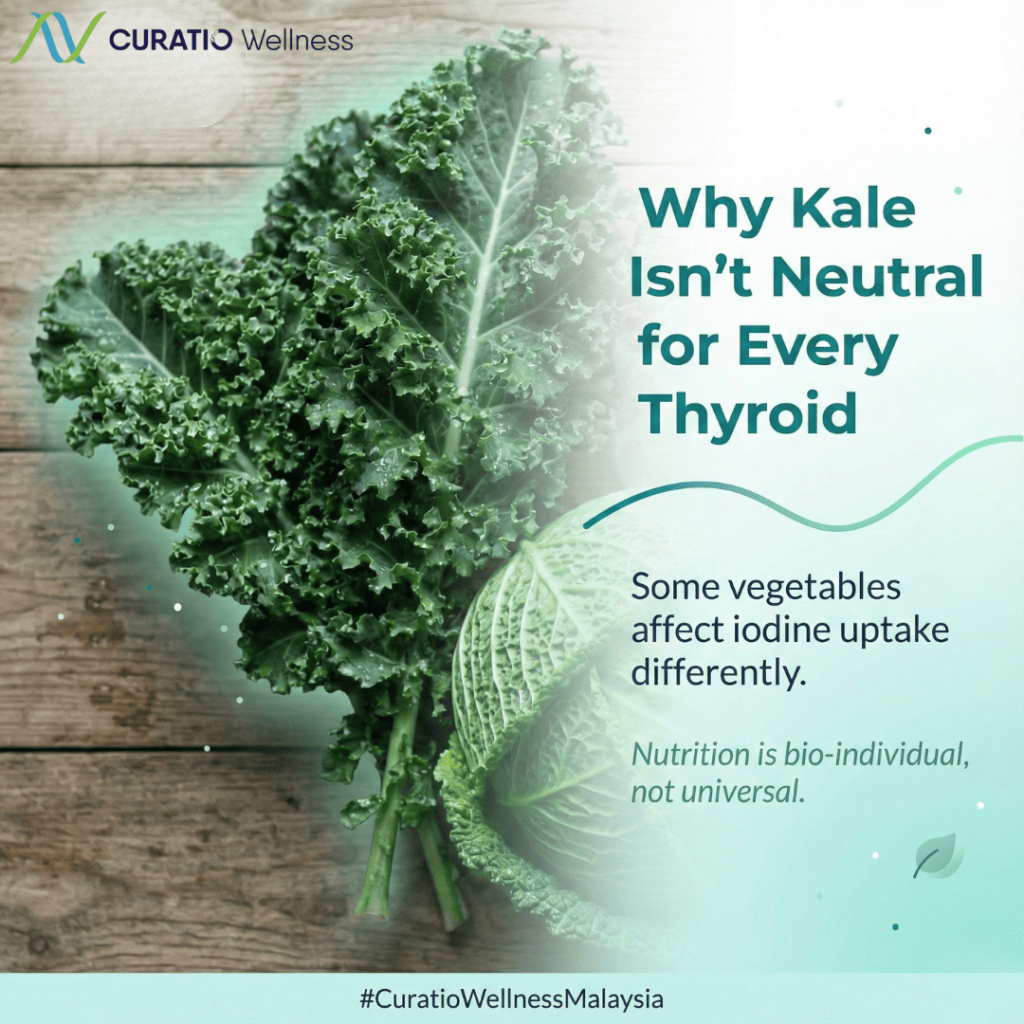
Some individuals with existing thyroid concerns, particularly those with low iodine intake or certain genetic patterns, may respond differently to cruciferous vegetables. These foods contain goitrogens, natural compounds that can temporarily reduce iodine uptake in the thyroid.
This does not mean cruciferous vegetables are harmful or should be avoided. For most people, they are safe, nutritious, and supportive of overall health.
However, for individuals living with hypothyroidism, Hashimoto’s patterns, or borderline iodine levels, goitrogens may add an extra layer of sensitivity. This is an example of bio-individuality, where “healthy” foods are not experienced the same way by everyone.
Clinicians usually assess the full picture, including iodine status, symptoms, family history, and overall dietary patterns, rather than focusing on a single food. Light cooking also significantly reduces goitrogen activity.
To explore nutrition in a calmer, more personalised way, you can follow Curatio Wellness.
#CuratioWellness #NutritionScience #ThyroidHealth #MalaysiaWellness #BioIndividuality #RootCauseCare