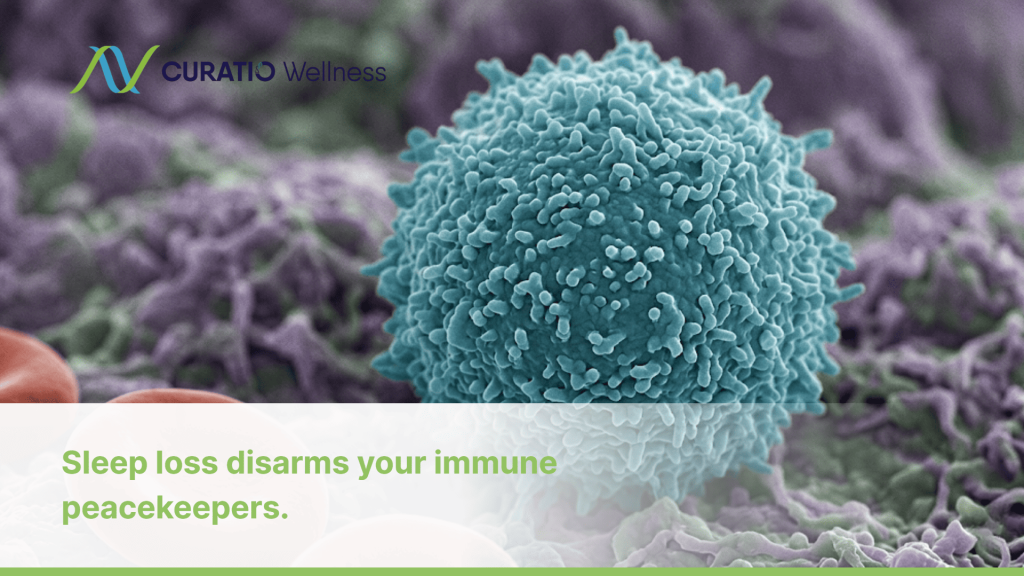
Your immune system’s peacekeepers go offline without enough sleep. In the relentless pace of modern life, particularly in bustling hubs like Kuala Lumpur, sleep is often the first sacrifice made at the altar of productivity. We treat it as a luxury, a block of time that can be trimmed to fit more into our waking hours. However, this perspective overlooks a fundamental biological truth: sleep is not passive downtime. It is an active, critical period of restoration, repair, and regulation, especially for the intricate army within us known as the immune system. When we shortchange sleep, we are not just leaving ourselves tired; we are systematically dismantling our body’s most sophisticated defense mechanisms, paving the way for chronic health imbalances.
At the heart of this internal defense force are highly specialized cells that maintain order and prevent friendly fire. Think of the immune system as a powerful military. While it has aggressive soldiers designed to attack invaders like bacteria and viruses, it also requires wise diplomats to prevent this army from turning on the body itself. These diplomats are the regulatory T cells, or Tregs. Their primary role is to suppress excessive immune responses and maintain self-tolerance, ensuring that the body does not attack its own healthy tissues. This function is crucial for preventing autoimmune conditions and taming the chronic inflammation that underpins many modern diseases, including diabetes, hypertension, and metabolic syndrome.
Recent research illuminates a stark connection between sleep and the effectiveness of these cellular peacekeepers. Chronic sleep deprivation acts as a profound physiological stressor, triggering a cascade of hormonal and cellular changes. Critically, it impairs the function and reduces the number of circulating regulatory T cells. When you consistently fail to get adequate rest, you are essentially telling your immune system’s diplomats to take a vacation. Without their moderating influence, the more aggressive immune cells can become overactive and unchecked. This creates a state of low-grade, persistent inflammation throughout the body, a silent fire that can smolder for years, contributing to cellular damage and disrupting metabolic processes. This isn’t a hypothetical threat; it is a key mechanism explaining how a lifestyle factor like poor sleep directly contributes to a higher risk of developing serious, long-term health issues.
This ripple effect of immune imbalance extends directly to the conditions many individuals face as they age. For instance, chronic inflammation is a known driver of insulin resistance, where the body’s cells no longer respond effectively to insulin, leading to pre-diabetes and eventually Type 2 Diabetes. In the cardiovascular system, this same inflammation can damage the lining of arteries, contributing to hypertension and the buildup of plaque. For those managing stress, the cycle is particularly vicious: stress disrupts sleep, and the resulting lack of sleep further amplifies the body’s stress response, creating a downward spiral of physiological strain. Understanding this link is pivotal because it shifts the focus from merely managing symptoms to addressing a foundational root cause of disease: a dysregulated immune system fueled by inadequate rest.
Reclaiming your sleep is not about finding more hours in the day; it is about creating a deliberate strategy to support your body’s natural rhythms. A structured approach can help restore the balance your immune system needs to function optimally. Consider this 3-Pillar Framework for rebuilding your nightly restoration:
Pillar 1: Prepare Your Environment.
Your bedroom should be a sanctuary for rest, not an extension of your office or entertainment center. This means creating a cool, dark, and quiet space. Eliminate blue light from screens at least an hour before bed, as it directly suppresses the production of melatonin, the hormone that signals your body it is time to sleep. Simple changes like using blackout curtains or a sleep mask can make a significant difference in sleep quality.
Pillar 2: Prime Your Body.
Your body needs clear signals to begin winding down. Establish a consistent pre-sleep routine. This could include a warm bath, gentle stretching, or reading a physical book. Avoid heavy meals, excessive alcohol, and caffeine in the hours leading up to bedtime, as these can interfere with your natural sleep architecture. Incorporating a calming, caffeine-free beverage, like a simple chamomile tea, can also be a comforting part of this ritual.
Pillar 3: Program Your Mind.
It’s difficult to sleep if your mind is still racing. Practice techniques to transition from the active state of the day to a passive state of rest. This can involve journaling to offload worries, practicing deep diaphragmatic breathing, or listening to a guided meditation. The goal is to calm the nervous system and signal to your mind that it is safe to let go and enter a state of deep, restorative sleep.
Ultimately, viewing sleep as a non-negotiable pillar of health is essential for vibrant aging and chronic disease prevention. It is the time when your body does its most important work, including keeping your immune system balanced and resilient. Understanding how fundamental lifestyle factors like sleep influence your health at a cellular level is the first step toward true, holistic wellness. If you are seeking to uncover the root causes behind your health concerns and wish to explore a personalized path to well-being, the team at Curatio Wellness is here to provide guidance on your journey.
#SleepHealth #ImmuneSystem #RegulatoryTCells #ChronicWellness #HolisticHealth #RootCauseMedicine #WellnessMalaysia #CuratioWellness #AgeVibrantly #DiabetesAwareness #HypertensionManagement